Dunkin' Donuts now serves coffee in more than twelve thousand stores around the world.
Its founder almost built an entirely different empire first.
He named it after a famous puppet and almost nobody remembers what happened next.
William Rosenberg Named His Burger Chain After Howdy Doody
William Rosenberg left school in the eighth grade during the Depression to help support his family.
He worked selling shoes and ice cream before building a food truck business that fed Boston factory workers on their breaks.
That business became the Open Kettle in 1948, which Rosenberg renamed Dunkin' Donuts in 1950.
He opened the first Dunkin' franchise in Worcester, Massachusetts, in 1955 and went on to found the International Franchise Association.
Rosenberg was not finished experimenting.
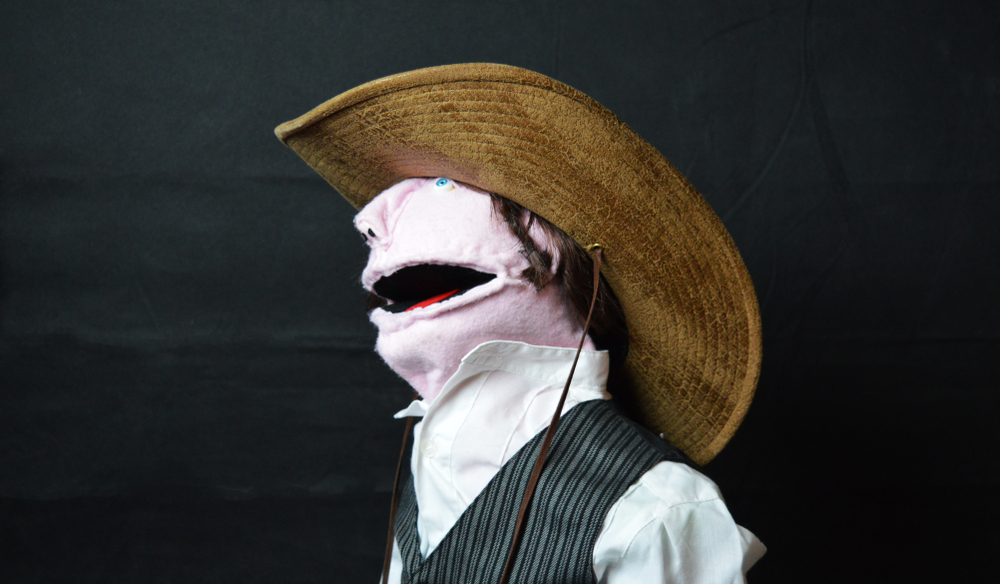
In the early 1960s he launched Howdy Beef N' Burger, naming the chain after Howdy Doody, the freckle-faced cowboy puppet whose NBC show ran from 1947 to 1960.
The mascot leaned directly on the marionette's look, and the menu went beyond burgers to include shakes, lobster rolls, and clam strips.
Howdy Doody had been appointment viewing for an entire generation of American kids, with its cowboy puppet and catchphrase "Say kids, what time is it?" drawing huge audiences on NBC.
Rosenberg was not alone in betting that a beloved children's character could sell food, but few franchise founders built an entire regional burger chain around the idea.
Howdy Beef N' Burger Grew to Thirty Locations Across New England
At its peak, Howdy's operated around 30 locations across New England.
Some of those restaurants shared space with Dunkin' Donuts shops, letting Rosenberg run both brands under one roof.
https://twitter.com/OldSchoolBoston/status/1216462361411903489
The chain leaned on a television puppet millions of American kids already loved, betting that affection would translate directly into burger sales.
For a few years, it worked well enough to keep expanding alongside the donut business that would eventually make Rosenberg famous.
Robert Rosenberg Cut Howdy's the Same Year He Took Over
William Rosenberg's son, Robert, became president of the company in 1963, when Howdy's had narrowed to 15 locations.
McDonald's opened its 500th restaurant and sold its billionth hamburger that same year.
Competing with a national burger giant growing that fast, while also running donut shops, the Goodlight English Fish & Chips Shoppes, and a chain of pancake houses, stretched the company thin.
Robert Rosenberg made the call to narrow the entire operation down to Dunkin' Donuts.
Howdy's kept a presence for a while longer before quietly disappearing by the 1980s.
Dunkin' Donuts went on to open its five thousandth location in Bali, Indonesia, during William Rosenberg's lifetime, and the brand now counts more than 12,400 restaurants worldwide.
A chain built around a children's TV puppet never got the chance to see whether America still wanted a Howdy burger with its morning coffee.
Robert Rosenberg stayed at the helm of Dunkin' for decades after making that 1963 call, eventually serving as chief executive and later writing a memoir titled Around the Corner to Around the World about running the company his father started.
William Rosenberg's side ventures also included a small deli operation, which never came close to challenging what the donut shops were already doing.
The bet that paid off was the one nobody expected: a nickel cup of coffee and a doughnut, sold through a franchise model Rosenberg is still credited with pioneering.
Somewhere in Dunkin' corporate history sits a freckle-faced puppet who almost got there first.
Sources:
- Fox News Lifestyle, "Before Dunkin' Became America's Coffee Giant, Its Founder Tried to Build a Fast-Food Empire Around a Wooden Puppet," Fox News, November 16, 2026.
- Chowhound, "Inspired By a Vintage TV Icon, Only Boomers Remember This Forgotten Burger Chain," Chowhound, 2026.
- Fox Business, "Who Founded Dunkin' Donuts?," Fox Business, 2026.
- Wikipedia, "William Rosenberg," Wikipedia, 2026.
- The Fact Site, "The Fascinating History of McDonald's," The Fact Site, 2026.
Related posts:
 60 Men Saved a Third of US Gold From Firestorm Using Acid
 Alamo Dig Found Santa Anna Cannonballs Davy Crockett and the Defenders May Have Fired Back
 The Safari King Who Trained the Army Gaddafi Overthrew Refuses to Follow an Influencer