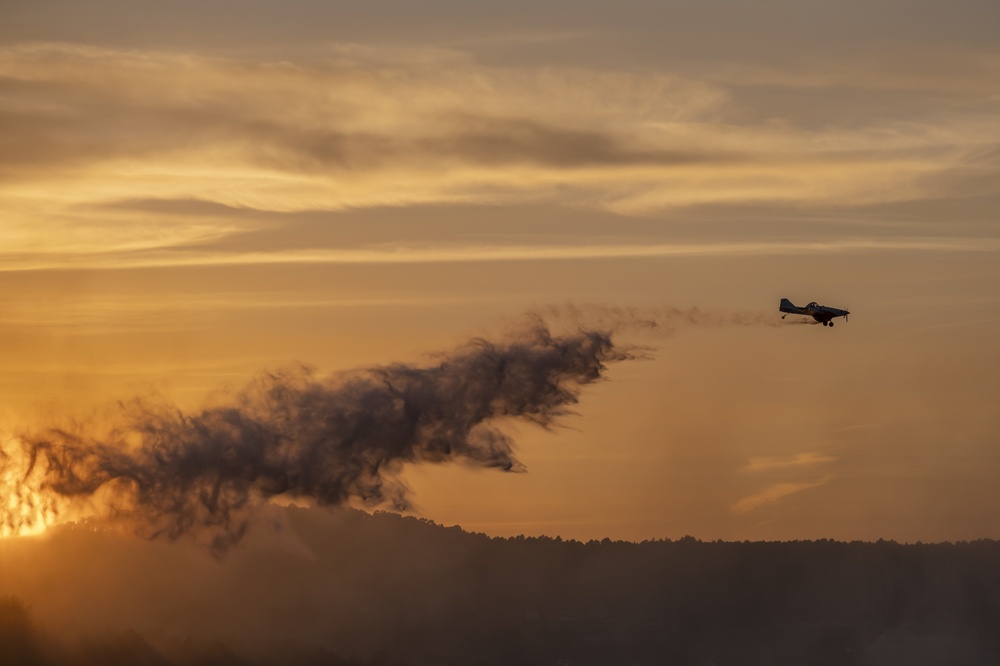
The Camp Fire killed 85 people and burned the town of Paradise to the ground.
California received more than a billion federal dollars meant to help wildfire survivors rebuild their burned-out lives.
Almost none of that billion-dollar fund ended up anywhere near the people who actually lost their homes.
Where California Actually Sent the Wildfire Rebuilding Money
HUD sent California just over one billion dollars in disaster recovery money, after insurance and other aid fell short for survivors of the state's deadliest fires.
Only $222.4 million of that was earmarked to help homeowners rebuild.
By the end of 2023, the state had spent just $38 million of that homeowner fund and rebuilt a total of 110 homes.
Meanwhile, $368.7 million of the same disaster money went straight to low-income housing developers, with no requirement that fire survivors live there.
One project, Eaglepointe Apartments in Paradise, took $7.3 million in disaster aid and opened with only 7 of its 42 units set aside for actual Camp Fire survivors.
Another project near the Woolsey Fire zone pulled in $26.1 million in state money, and the nonprofit developer that built it was the only company that even applied.
Fourteen more developments picked up another $146.9 million in 2026 awards, stretching from Santa Cruz to Covina, nowhere near where the fires actually burned.
California's Department of Housing and Community Development oversees the program, and it answers to one person: Governor Gavin Newsom.
Spokeswoman Jennifer Hanson defended the awards when reporters asked why so little reached survivors, but Newsom himself has not personally addressed why his housing department steered a third of a billion dollars in disaster aid away from the people it was supposed to help.
Congress Already Caught HUD Losing Track of $770 Million Once Before
California is not the first government caught letting disaster cash drift away from the families it was meant for.
A House Financial Services subcommittee found in 2013 that HUD's disaster relief programs were "especially vulnerable to waste, fraud and abuse," after reviewing more than $770 million in questionable spending.
Lawmakers at the time warned that the same kind of block grants often funded projects with no real tie to the disaster at all, things like parks and swimming pools instead of housing for victims.
The Camp Fire killed 85 people and destroyed 14,000 homes in Paradise in 2018.
The Woolsey Fire killed three people, destroyed 1,643 structures, and caused more than six billion dollars in damage that same year.
Together, the 2018 fires killed 103 people and damaged or destroyed more than 24,000 homes and buildings across California.
Local officials closest to the disaster zones say they had no say in where any of the recovery money actually went.
Agoura Hills Community Development Director Robby Nesovic said the city had no role in picking the project, the site, or the funding amount.
Butte County Deputy County Counsel Andrea Woodward-Sollesnes said the county had no role in project selection or funding amounts either.
Every decision got made somewhere else, by people who never lost a home in the fires being used to justify the money.
The Developers Who Cashed in While Survivors Still Waited
Woolsey Fire survivor Mickey Schechter put a real number on what the state's priorities have cost him.
His insurance paid him $450,000 on a $750,000 home that would now cost roughly two million dollars to rebuild.
State housing officials will not even say whether they considered prioritizing fire survivors for the apartments that disaster money built.
Survivors get lumped in with every other low-income renter in the state and reached only through general advertising, not direct outreach.
That is backwards: people who lost everything in a declared disaster should not have to compete for a lottery spot funded by the catastrophe that destroyed their homes.
California had more than a billion dollars meant to put fire survivors back in their homes, and used a third of it to build affordable housing in cities the flames never touched.
Conservatives have said for years that disaster bureaucracies spend money on everything except the disaster.
Gavin Newsom's administration had the authority to write survivor requirements into these awards and chose not to, every single time.
This was not an accident buried in a spreadsheet; it was a governor's housing agency deciding that renters who never lost a home mattered more than families who lost everything.
Congress flagged this exact failure mode in federal disaster housing money back in 2013, and California's own numbers show nobody in Sacramento fixed it.
It failed survivors by policy, under a governor who has yet to explain why.
Sources:
- Natalia Mittelstadt, "CA Uses $369 Million in Federal Wildfire Aid for Low-Income Housing, Not Fire Victims," The National News Desk, October 19, 2026.
- New York Post, Wildfire Relief Fund Investigation, New York Post, October 18, 2026.
- "House Subcommittee Finds $770 Million in Questionable HUD Spending," HousingWire, September 17, 2013.
- U.S. Government Accountability Office, "Disaster Recovery: HUD Needs to Improve Grant Monitoring," U.S. Government Accountability Office, 2021.
Related posts:

 Minneapolis Handed a Violence Prevention Group Millions and Never Checked Who It Hired
 MegaChurch Democrat Running for Senate Trashes Wealth but the Details of His Own Bank Accounts Exposed His Hypocrisy
 Trump Handled the Iran Fallout on American Farms With an Eight Billion Dollar Lifeline