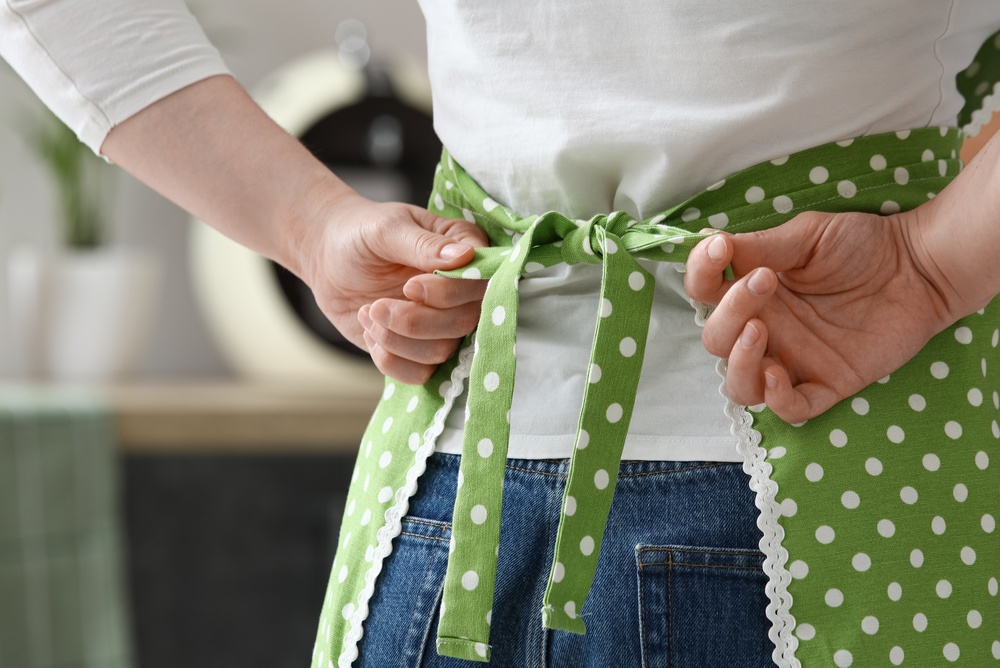
A spring 2025 survey found 84 percent of Americans called their grocery prices high.
A new cookbook author says most shoppers are making one mistake before they even arrive.
The real problem starts long before anyone reaches a cash register.
The Mistake Happens Before You Ever Walk Into the Store
Jenn Lueke wrote the cookbook "Don't Think About Dinner."
She told Fox News Digital that the single biggest budget-killer has nothing to do with coupons or sales.
It is walking into the store without a plan.
Shoppers who do not know what they are cooking that week end up grabbing whatever looks good.
That habit adds up fast.
Lueke tells people to check their calendar first, before they ever make a list, so they know how many nights they can realistically cook.
She also recommends a Friday inventory of the fridge, freezer and pantry, counting what is already on hand before buying a single new thing.
Letting that inventory drive the week's menu means fewer duplicate purchases and fewer half-used ingredients left to rot.
She calls the habit "the best form of self-care" she knows, because it clears a decision off the plate before the week even starts.
Coupon Mom founder Stephanie Nelson says the pattern is nothing new.
She says a quick trip for milk and cereal routinely turns into a thirty dollar basket of extras nobody needed.
"If you're going four times a week to the grocery store, you could cut that down to once," she said.
Fewer trips mean fewer chances to buy on impulse.
One Dinner Out Costs More Than a Week of Groceries
The math gets worse once eating out enters the picture.
Nelson points to a simple swap that most families already have the power to make.
Skip one $60 night out and cook a $10 meal at home instead, and the savings land the same week.
Dinner to Doorbells co-owners Alison Crowdus and Jen Eisenstein estimate that planning meals ahead of time can put roughly $100 or more a month back into a family's budget.
Crowdus says the fix starts with knowing your total grocery budget, then building meals to fit inside it, not the other way around.
Eisenstein says buying only the ingredients a planned meal actually needs stops food from sitting in the back of the fridge until it spoils.
The waste is not small.
Nelson cites USDA figures suggesting the average family throws away $1,500 worth of food every year.
That is food already paid for, sitting in a trash can.
The Hidden Cost of Skipping a Grocery List
None of this is complicated, and that is exactly the point.
Grocery inflation hit double digits during 2021 and 2022 before finally cooling to a more normal pace.
That spike tracked the Biden administration's trillion-dollar pandemic stimulus spree, which flooded the economy with cash and helped push inflation to its worst levels in four decades.
The sticker shock never really left, even after the worst of it passed.
Nearly a quarter of shoppers surveyed still say they are not sure what drove those prices up in the first place.
Now they know.
Families have adjusted however they can in the meantime.
About 30 percent of shoppers say they started hunting harder for sales and discounts, and more than a quarter switched to cheaper store brands, up from one in five in May 2024.
A real meal plan does more than either of those habits on its own.
A grocery list written before you leave the house costs nothing.
Skipping one is costing the average family thousands of dollars a year without anyone noticing where the money went.
Sources:
- Fox News Lifestyle, "Cookbook Author Reveals Biggest Grocery Shopping Mistake," Fox News, October 22, 2026.
- Don't Waste Your Money, "How Weekly Meal Planning Can Save Hundreds of Dollars on Groceries," KRIS 6 News, 2026.
- Feedstuffs, "U.S. Consumers Continue to Express Frustration With Inflation, High Grocery Prices," Feedstuffs, April 10, 2025.
- Fox News, "Will Cain Reveals How Biden's Spending Led to Inflation," Fox News, 2026.
- The Dinner Plan, "Jenn Lueke's Meal-Planning Mindset," The Dinner Plan, 2026.
Related posts:
 The US Interior Department Just Made a Big Fat Bear Week Announcement about the Crippled Cub Rangers Doubted
 Greek Dig Points to Alexander the Great’s Schoolhouse and His Teacher’s Fee Was Jaw Dropping
 Chipotle Took Over Abbey Road Studios and Turned Vegetables Into a Full Band