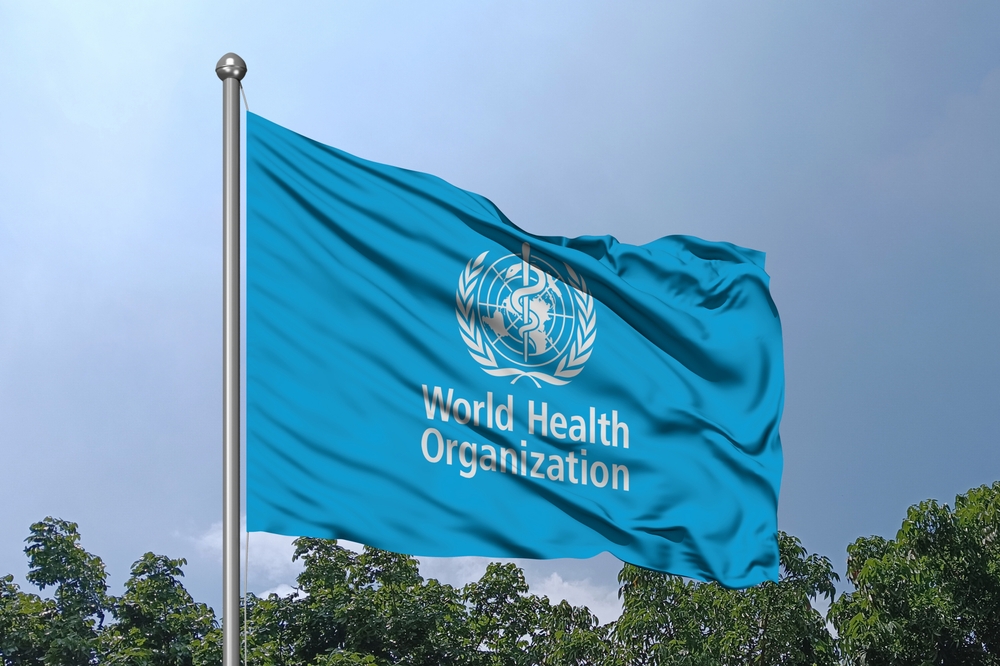
The World Health Organization just drafted a scoring system for nearly every packaged food sitting in your grocery cart.
Governments that adopt it could use those scores to slap on new taxes, restrict ads, and dictate what goes on the label.
And the foods it flags go well beyond candy bars and sugary soda.
What the WHO Grocery Model Actually Flags
The document is called the Integrated Food Profiling Model for Regulatory Measures, and the WHO opened it for public comment earlier this month.
Comments are due November 27 – the day after Thanksgiving.
A drink gets flagged once added sugar passes 5 percent of its calories, and a food once it passes 10 percent.
It also scores products on saturated fat, trans fat, and sodium.
Then it goes a step further and flags packaged foods made with certain added flavors, colors, or sweeteners.
That means trading sugar for an artificial sweetener won't necessarily get a diet soda or a sugar-free yogurt off the hook.
The WHO's logic is that those ingredients make food taste better, so people eat more of it.
In the same breath, the WHO admits that flagging those ingredients "does not imply that these ingredients are unsafe."
So a product can be perfectly safe and still land on the list because people like the taste.
The Tax Plan Sitting Behind the Scorecard
The WHO insists the model "does not, by itself, constitute a regulatory instrument."
But the whole point is to hand governments a ready-made list for taxing food, limiting advertising, mandating package labels, and deciding what taxpayer-funded programs are allowed to buy.
This didn't come out of nowhere.
In July 2025, the WHO rolled out its "3 by 35" campaign, calling on countries to use taxes to push the real prices of tobacco, alcohol, and sugary drinks up by at least half before 2035.
The WHO's own target is $1 trillion in new tax money over a decade.
The man pushing hardest is WHO Director-General Tedros Adhanom Ghebreyesus, the same official who ran the agency through its COVID-19 failures.
"Health taxes are one of the strongest tools we have for promoting health and preventing disease," Tedros said in January.
A WHO policy brief in October 2025 went further, urging food taxes tied to a product's overall nutrition score rather than to sugar alone.
Now the WHO has written the scoring system.
Philadelphia Already Ran This Experiment
Americans don't have to guess how food taxes play out.
In 2017, Philadelphia slapped a 1.5-cent-per-ounce tax on sugary and diet drinks – 24 times Pennsylvania's excise tax rate on beer.
Some local distributors and stores reported sales falling by nearly half, according to the Tax Foundation.
Coca-Cola's local branches cut about 40 jobs, and PepsiCo laid off roughly 80 to 100 workers.
The city still came up about 15 percent short of the $46 million it promised the tax would raise.
Critics Warn of Higher Prices and a Lawsuit Bonanza
Ross Marchand, executive director of the Taxpayers Protection Alliance, said the WHO's approach is "a clear recipe for soaring regulatory and litigation costs."
He warned that shoppers, not manufacturers, end up paying for it.
San Francisco sued major food manufacturers last year over the health effects of ultra-processed foods.
A WHO-stamped list of flagged products is exactly the kind of exhibit trial lawyers dream about.
America Already Walked Out the Door
The United States finished pulling out of the WHO on January 22, 2026.
Secretary of State Marco Rubio and Health Secretary Robert F. Kennedy Jr. said the organization had "abandoned its core mission and acted repeatedly against the interests of the United States."
The Trump administration is writing its own rules instead – the FDA and USDA sent over a proposed American definition of ultra-processed foods in August, and it's still pending at the White House.
Kennedy's Make America Healthy Again push goes after many of the same ingredients, but it doesn't reach into anybody's wallet to do it.
Under MAHA pressure, big food companies have pledged to swap out artificial dyes and additives on their own – no new grocery tax required.
Washington, D.C., under President Trump wants Americans to know what's in their food and lets them choose.
Tedros and Geneva want to decide what that food costs.
The WHO can't tax a single American grocery cart on its own, but its playbook doesn't need Congress.
Blue cities like Philadelphia and San Francisco have already shown they'll grab whatever tool lets them squeeze shoppers, and a ready-made WHO scorecard hands them one with a global seal of approval.
The people who pay first are the ones on fixed incomes, the retirees counting every dollar at the checkout line.
A can of diet soda shouldn't need permission from Geneva.
Sources:
- Tom Joyce, "WHO food proposal draws warnings over taxes, grocery costs," The Center Square via Just the News, November 8, 2026.
- World Health Organization, "Online public consultation: draft integrated food profiling model for regulatory measures," November 2026.
- World Health Organization, "WHO launches bold push to raise health taxes and save millions of lives," July 2, 2025.
- World Health Organization, "Cheaper drinks will see a rise in noncommunicable diseases and injuries," January 13, 2026.
- World Health Organization, "Food taxes for a healthy diet: time for action," October 2025.
- Courtney Shupert and Scott Drenkard, "Soda Tax Experiment Failing in Philadelphia Amid Consumer Angst and Revenue Shortfalls," Tax Foundation, August 3, 2017.
- U.S. Department of Health and Human Services, "Joint Statement by Secretary of State Rubio and Secretary of Health and Human Services Kennedy on the Termination of U.S. Membership in the World Health Organization (WHO)," January 22, 2026.
- Emily Hallas, "These foods may look different as companies swap out additives targeted by MAHA," Washington Examiner, July 15, 2025.
Related posts:

 Trump’s DOJ Just Charged Six People In Scheme to Bleed MaineCare Dry and It Took Just One Patient
 Greg Gutfeld Exposed Why Democrats Really Excommunicated Haley Stevens but Kept Their Socialist
 Elon Musk Is Chasing a 10 Billion Dollar NASA Moon Base Built to What Else . . . Beat China