Herschel Walker's collapse in the 2022 Georgia runoff still haunts Senate Republicans.
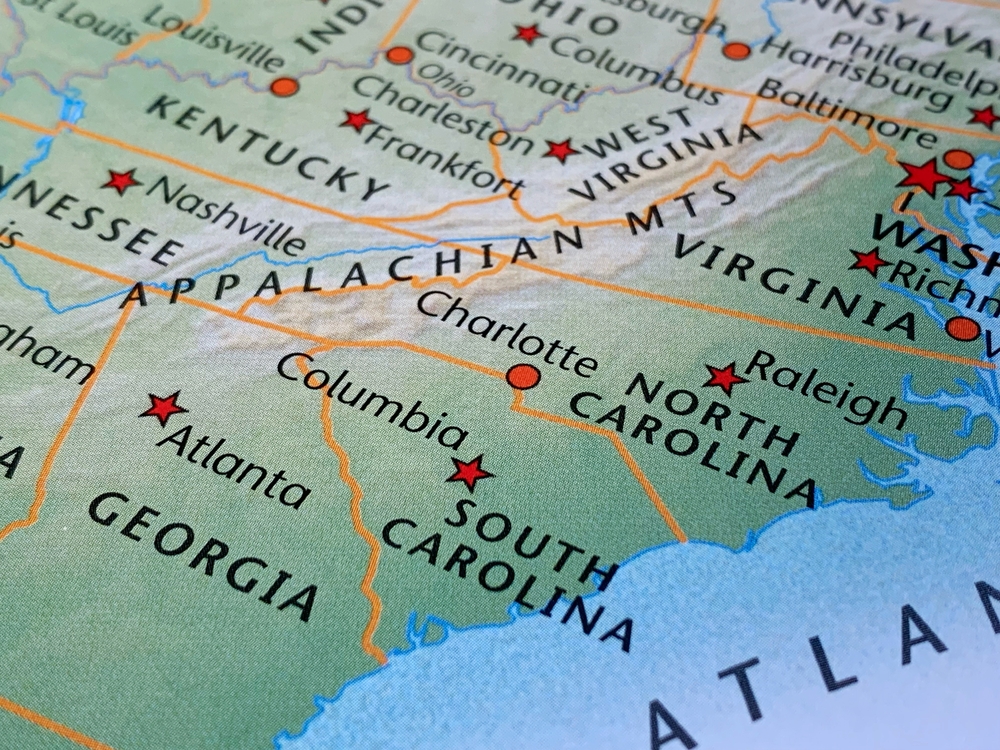
Now top Republicans are eyeing the same fate in North Carolina and Georgia again.
Senate leaders are facing a decision that could decide whether the GOP holds the majority.
Cornyn Calls North Carolina and Georgia Not Looking Good
John Cornyn does not sugarcoat things.
The Texas senator looked at the numbers and told reporters, "Georgia looks like it's pretty close to done. And North Carolina seems to be close to that."
That is not a Democrat talking.
That is the man who ran the Senate Republican campaign committee less than a decade ago, looking at the party's math and refusing to lie about it.
John Thune insists "there's game left to play" in both states, even while conceding it's "challenging in both cases."
Kevin Cramer went further, telling colleagues it may be time to reassess whether North Carolina and Georgia are worth the investment at all.
Michael Whatley is trying to hold North Carolina against Roy Cooper, a Democrat who governed the state for eight years and built name recognition Whatley cannot buy back in a few months.
Mike Collins is trying to knock off Jon Ossoff in Georgia, a state where Republicans already blew a winnable Senate seat once this decade.
Fox News polling has Cooper up nine points.
An Elon University poll had him up eleven.
Ted Budd, North Carolina's other senator, is still defending Whatley's chances, insisting the race is tough but not gone.
Ted Cruz is fighting a different fire, pushing back on any suggestion that Texas money gets siphoned off to bail out North Carolina and Georgia.
Kennedy Says Super PACs Already Have an Exit Plan
John Kennedy laid out the cold logic Republicans are wrestling with.
He said outside groups pull funding fast once a race stops looking winnable.
An unnamed Senate Republican put it even more bluntly, calling the spending fight "a zero-sum game."
Every dollar spent defending Whatley or Collins is a dollar not spent protecting Dan Sullivan in Alaska or pushing Jon Husted over the top in Ohio.
Rick Scott is betting that a strong Republican governor's race in Georgia drags the Senate ticket up with it.
That bet has not paid off yet in the polling.
Brian Kemp is not on the ballot to bail anyone out this time, and Georgia Republicans know it.
President Trump's approval numbers have softened nationally, and that drag is showing up hardest in states Republicans thought they had banked.
Democrats spent nothing to create this problem.
Republicans created it themselves by expanding the map into North Carolina and Georgia at the same time Trump's numbers went soft.
Why Republicans Cannot Afford to Abandon Either State
Pulling out of Georgia again would hand Jon Ossoff a second term nobody in the party thought he would ever get in 2021.
That is not a hypothetical.
Republicans watched Raphael Warnock beat Walker in that runoff, and they still have not fixed whatever is broken in their Georgia operation.
Abandoning North Carolina means handing Roy Cooper a Senate seat in a state Trump has carried three times.
Every Senate map in the last decade has taught the same lesson: the moment national Republicans stop spending, Democrats flood the zone and the race is over within weeks.
Mitch McConnell learned that the hard way in 2022 when his aligned super PAC yanked ads out of battleground states and Republicans failed to flip the Senate anyway.
Thune's committee has a chance to avoid repeating that mistake, but only if Republicans keep fighting in North Carolina and Georgia instead of writing them off in September.
Cutting and running now would hand Chuck Schumer a gift he did not earn.
Sources:
- Semafor Staff, "Senate Republicans weigh whether to keep investing in North Carolina and Georgia races," Semafor, September 17, 2026.
- Breitbart News, "Poll: Roy Cooper Takes 11-Point Lead over Michael Whatley in North Carolina Senate Race," Breitbart, May 14, 2026.
- Fox News Staff, "Fox News Poll: Democratic enthusiasm shapes North Carolina Senate race," Fox News, 2026.