Iran started this war with its nuclear ambitions and decades of American blood on its hands.
Now Israel just made Trump's job a lot harder – by torching the one asset he was counting on.
Here's what Netanyahu did while the White House wasn't watching.
Israel Struck 30 Oil Depots Trump Wanted Preserved
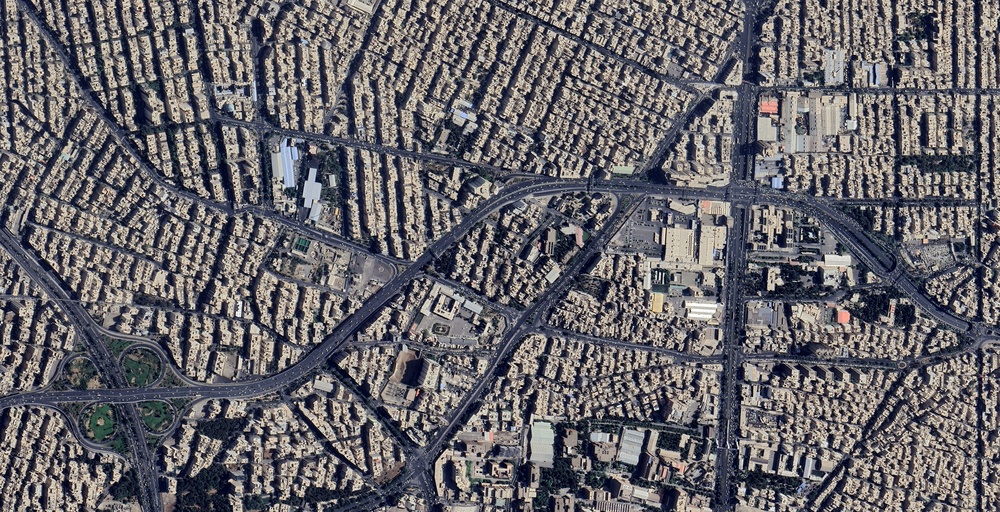
Saturday night, the Israeli Air Force hit 30 fuel depots across Tehran.
The fires were visible for miles.
Black smoke swallowed the Iranian capital for days.
The next morning, oily black raindrops fell from the sky.
Residents woke up with burning throats and burning eyes.
And the Trump White House woke up furious.
A senior U.S. official told Axios flatly: "We don't think it was a good idea."
An Israeli official relayed the White House's private message to Jerusalem in three letters: "WTF."
A Trump adviser explained the president's anger directly: "He wants to save the oil. He doesn't want to burn it. And it reminds people of higher gas prices."
Israel had notified the U.S. before the strikes – then hit targets far beyond what Washington had been led to expect.
Axios described it as the allies' first major falling-out since Operation Epic Fury began ten days ago.
https://twitter.com/TheInsiderPaper/status/2030411240489836633
Trump Had a Plan for Iran's Oil – and Israel Just Torched It
According to a new Axios scoop published today, the Trump administration formally asked Israel – at a senior political level and directly to IDF Chief of Staff Eyal Zamir – to stop hitting Iranian energy infrastructure.
Three reasons: the strikes harm ordinary Iranians who largely oppose the regime, Trump plans to work with Iran's oil sector after the war ends, and further oil facility strikes risk triggering massive Iranian retaliatory attacks on Gulf energy infrastructure.
Trump views strikes on Iran's energy assets as a last resort – something held in reserve only if Iran first attacks Gulf oil facilities.
Israel didn't ask.
Oil prices spiked to nearly $120 per barrel on Monday – levels not seen since Russia's 2022 invasion of Ukraine.
Energy Secretary Chris Wright went on CNN and promised the pain would be short-lived.
The markets were not reassured.
Iran's parliament speaker warned that continued attacks on oil infrastructure would trigger a response "without delay" – with Iranian military officials warning prices could reach $200 per barrel.
Even Lindsey Graham – one of the most hawkish Iran war supporters in the Senate – went public with his frustration.
"Please be cautious about what targets you select," Graham posted on X. "Our goal is to liberate the Iranian people in a fashion that does not cripple their chance to start a new and better life when this regime collapses. The oil economy of Iran will be essential to that endeavor."
When Lindsey Graham is telling Israel to pump the brakes, something has gone sideways.
Hegseth Drew the Line – in Public
By Tuesday, Defense Secretary Pete Hegseth was publicly distancing the administration from the depot strikes.
Standing at a Pentagon podium on what he called "the most intense day of strikes inside Iran yet," Hegseth said hitting the oil sites "wasn't necessarily our objective."
He pushed back hard on the idea that Netanyahu was pulling the U.S. into operations it didn't sanction: "We're not getting pulled in any direction. We're leading, the president is leading."
The operation itself is going exactly as Trump promised.
Hegseth confirmed the U.S. and Israel have now struck more than 5,000 targets. Iran is firing fewer missiles every day. Its navy is being dismantled. The ayatollah is dead.
Trump's end goal is Iran defanged, a new leadership structure he can work with, and gas prices back to normal before the midterms.
That plan requires intact oil infrastructure to rebuild Iran after the regime falls.
Netanyahu's goal is the Iranian regime gone entirely – and he's willing to burn the country's reserves to get there.
Israel just reminded the world – and reminded Iran – that the two partners don't always operate from the same playbook.
Trump responded to Iran's oil threats the way Trump responds to threats: by warning he would hit Iran "20 times harder" if it touches global oil supplies.
That's the right call.
But the president is still cleaning up a mess he didn't make – and Netanyahu needs to get the message before Israel's target choices start costing Trump more than they cost the mullahs.
Sources:
- Barak Ravid and Marc Caputo, "Scoop: U.S. asks Israel to halt strikes on Iran's energy infrastructure," Axios, March 10, 2026.
- Barak Ravid and Marc Caputo, "Scoop: Israel's strikes on Iran fuel depots sparks US backfire concerns," Axios, March 8, 2026.
- Times of Israel Staff, "Hegseth: Israeli oil strike 'wasn't necessarily our objective,'" The Times of Israel, March 10, 2026.
- Senator Lindsey Graham, post on X, March 9, 2026.
- Konstantin Toropin, "Iran to face 'most intense day of strikes,' Hegseth says," Military Times, March 10, 2026.
- Pete Hegseth, Pentagon press briefing, as reported by CNBC, March 10, 2026.
Related posts:

 Oklahoma Governor Ignored Trump’s Pick to Fill Mullin Senate Seat and Tapped a Man Who Bankrolled Adam Kinzinger
 Tommy Tuberville Built Auburn’s Dynasty and Now He Just Dropped a Bomb on the Transfer Portal
 Cyndi Lauper Tried to Sink Trump’s Voter Integrity Bill and Fans Had Something to Say